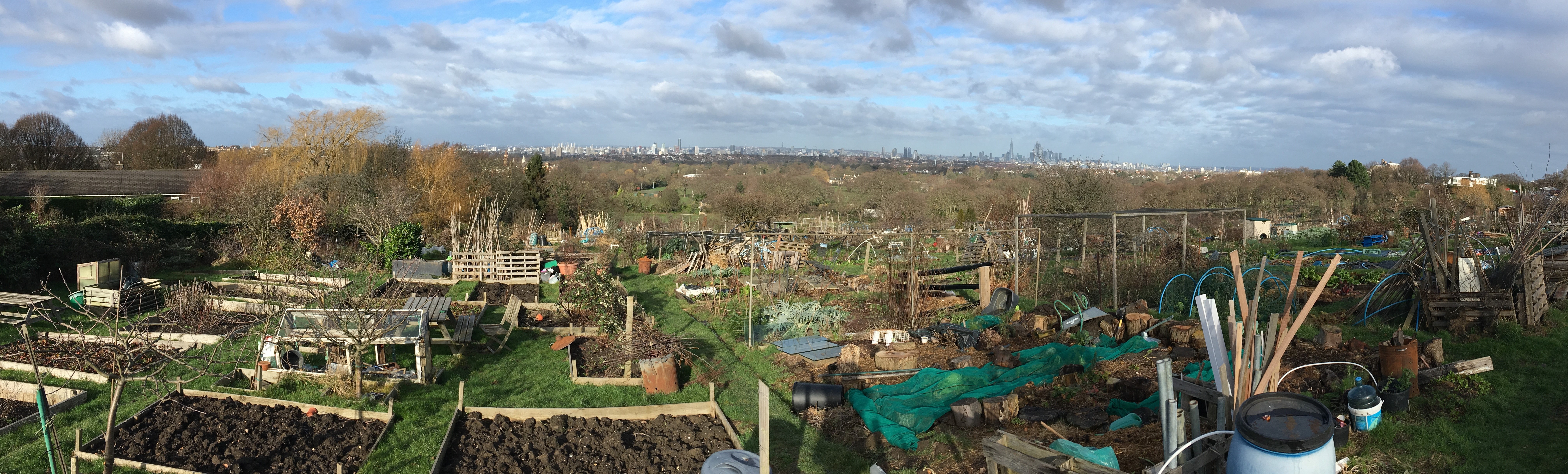
Be regular and respond to the seasons
Keeping an allotment is most successful if it is given regular attention as part of a weekly routine. It will require a lot of work in spring/early summer, more again in autumn and less in winter. Get it right and you’ll be amazed at how much produce, and satisfaction, can be derived from a small piece of hill.
Observe health and safety
Allotments can be unsafe – trip hazards, bladed implements, whirring machinery, sharp objects, ponds and water butts can be a threat to adults and a particular threat to children.
Keep your children safe by being careful on your plot and not letting them stray, at all, onto the plots of others.
Make sure that they are supervised in the Ecoloo or, if old enough, instructed on its proper use.
Follow the rules
The membership of GLA has developed and approved a number of rules which need to be followed. They provide clear guidance on how you may develop and maintain your plot. You should read them here.
Inspections take place annually for all plots, with follow ups for those where these rules are most obviously being breached or health and safety is an issue. See here for more on the inspection process.
Be kind to your neighbours
The way we manage our plots can affect others. Letting weeds go to seed, allowing bushes or structures to impinge on shared paths, or letting trees grow to heights that shadow adjacent growing areas can all cause inconvenience. This, and the friction that it can lead to, is best avoided.
Be kind to nature
There is an abundance of wildlife and flora on our allotment in a world that is increasingly intolerant of both. We share the land with foxes, crows, kestrels, magpies, pigeons, jays, woodpeckers, squirrels, frogs, newts, bees and more slugs than we would like. Use of harsh chemicals disrupts the food webs for many of these creatures even when they don’t kill them directly.
Please consider contributing to the community
GLA only works because so many give back. Work parties can be fun. And, if you have time, being on the Committee can be very rewarding.